Finding the right small food waste bags means choosing liners that fit compact bins, block leaks, and keep odors under control. This guide highlights five top options for everyday kitchen scraps, desk-side office bins, and car canisters. The selections are best for small apartments, dorms, or anyone who wants quick, tidy waste disposal without fuss. Each product is evaluated for fit, durability, and practicality, with clear notes on who benefits most and when to choose one over another. A quick buyer’s table follows to help you compare at a glance.
| Product Brand | Bin Size Fit | Material Type | Ideal For |
|---|---|---|---|
| Teivio | 0.5 gallon | Clear plastic | Ultra-small kitchen or desk bins |
| UNNI | 2.6 gallon | Compostable, plant-based | Small kitchen compost bins |
| BOS | Size S, 90 bags | Durable, tear-resistant | Food scraps in compact spaces |
| SUPERBIO | 1.6 gallon | Compostable, plant-based | Countertop composting and food scraps |
| GreFusion | 1.2 gallon | Compostable, BPI certified | Small kitchen/bathroom bins |
Teivio Mini Clear Trash Bags For Tiny Bins

These 0.5 gallon bags measure 11.4 inches by 12.2 inches and come in a bulk 276-count roll. The clear material lets you quickly identify contents, which helps with simple waste separation. The star-seal bottom design eases removal from receptacles, reducing snagging and mess. Best for ultra-small office desks, bathroom trash cans, or vanity drawers where a tidy, translucent liner is preferred. Caution: the ultra-lightweight style is best for dry or non-oily scraps; avoid heavy, greasy waste that may stretch the film.
UNNI 2.6 Gallon Compostable Bags, 100 Count
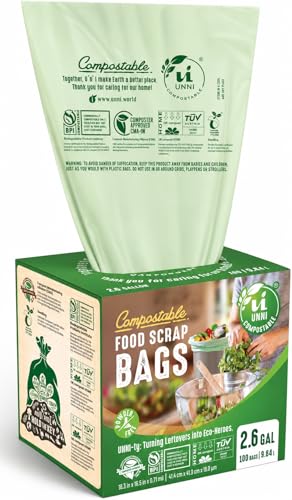
Designed for small kitchen compost bins, these 2.6-gallon liners are 0.71 mil thick and come in rolls for convenient dispensing. They’re certified compostable by multiple authorities (BPI, CMA, OK compost HOME), aligning with regulatory and eco-conscious goals. Best for households that systematically gather kitchen waste for composting, including fruit peels, veggie scraps, and coffee grounds. A consideration: they require proper composting facilities to achieve full breakdown and may be less suitable for routine non-compost waste unless you compost at home.
BOS Odor-Sealing Small Trash Bags
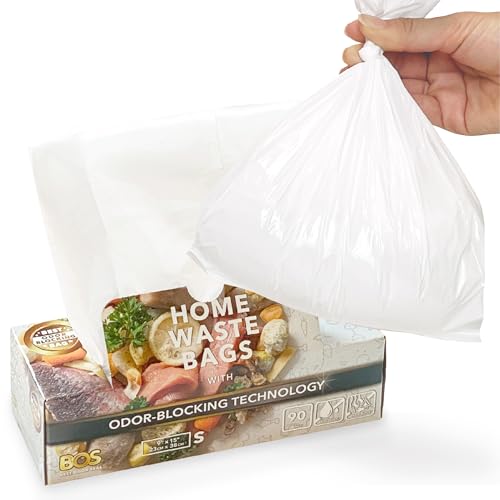
These small bags are built for durability and odor control, ideal for kitchen scraps or general waste in tight spots. The packaging emphasizes easy dispensing and a tear-resistant design, which helps when you’re dealing with messy food remnants. Best for users who want a straightforward, reliable liner for daily use in compact bins. Limitation: the scent-free option may not mask strong odors as effectively as scented alternatives in rooms with limited ventilation.
SUPERBIO 1.6 Gallon Compostable Bags

These compostable liners are sized for 1.6 gallons and come with a handle tie for easier knotting and disposal. They meet multiple compostability standards (BPI, OK compost HOME, EN 13432) and are stored in a cool, dry place with a suggested shelf life of about one year. Best for households that collect kitchen scraps for composting and want film that breaks down in compatible facilities or home composting setups. Caution: industrial-grade certification doesn’t guarantee home-composting behavior in all environments; local facilities vary in capability.
GreFusion 1.2 Gallon Compostable Bags

GreFusion’s 1.2-gallon liners fit many small countertop bins and are certified compostable under BPI, ASTM D6400, and OK Compost HOME. They’re designed to stay strong when collecting kitchen scraps, coffee grounds, and similar waste, while enabling easy transfer to compost systems. Best for users who want a dependable small-bin liner that aligns with composting goals and follows recognized standards. Limitation: the 1.2-gallon size may be too large for ultra-compact bins, requiring careful bin selection.
Buying Guide: How To Choose The Right Small Food Waste Bags
- Bin size and fit: Match the bag capacity to your bin’s volume. Using a bag that’s too large can result in wasted space, while too-small bags can tear or overflow.
- Material and compostability: If you’re composting, choose certified compostable bags (BPI, OK compost HOME, EN 13432). Home composting capability varies by facility and method.
- Durability vs. practicality: Tear resistance helps with messy scraps, but very thick bags may be less convenient for small bins. Balance strength with ease of tying and disposal.
- Odor control: Scented or odor-sealing options can improve comfort in small or shared spaces. Consider ventilation and proximity to food prep areas.
- Dispensing method: Boxed or rolled dispensing affects ease of use in tight spaces. Choose a format that fits your pantry, cabinet, or under-sink storage.
- Storage and shelf life: Keep compostable bags in a cool, dry place to prevent premature breakdown of sensitive materials. Check expiration or shelf-life guidance on packaging when available.
FAQ
- What size bag is best for a 2.6 gallon kitchen bin?
– A bag around 2.5 to 3 gallons is commonly a good fit, such as UNNI’s 2.6 gallon liners, which balance capacity and ease of use. - Are compostable bags always suitable for home composting?
– Not always. Some are designed for industrial facilities; check the OK compost HOME or similar certification to confirm home compatibility. - Should I choose clear bags for kitchen use?
– Clear bags help identify contents and separate recyclables, but odor control may be better with opaque or scented options in small spaces. - What is a practical feature to look for in small-bin bags?
– A star-seal or bottom design that prevents leaks and simplifies removal from the receptacle is highly practical for tight spaces. - Can I mix compostable bags with regular trash bags?
– If you compost, keep compostable liners separate from non-compost waste to ensure proper processing and avoid contamination. - Is there a downside to ultra-thin bags for kitchen scraps?
– Very thin bags can tear with sharp scraps or heavy moisture; opt for a slightly thicker variant if your waste tends to be wet.