Choosing the right sealer for cutting boards helps extend their life, preserve grain, and keep surfaces food-safe. The following selections focus on food-grade mineral oils, wax blends, and plant-based options that penetrate and protect without rancidity. Each product is designed for frequent use on cutting boards, butcher blocks, and wooden kitchen tools. Read on to compare application, ingredients, and protective benefits to find the best match for your board care routine.
| Product | Brand | Primary Benefit | Best For |
|---|---|---|---|
| Howard Products Food Grade Mineral Oil | HOWARD | Deep penetration, tasteless and odorless | Dry, porous boards and utensils |
| Cutting Board Gel – Wax and Oil | Rowdy Rooster Woodworks | Dual-action seal with beeswax and mineral oil | All wooden surfaces needing lasting moisture |
| Wood Butter Cutting Board Wax | Macy’s Place | Two-ingredient formula for protection | Simple, food-safe maintenance |
| John Boos Board Cream | John Boos | Moisture renewal with safe minerals | Regular upkeep in dry climates |
| Clark’s Coconut Cutting Board Oil | CLARK’S | Plant-based, deep penetration | Non-mineral oil option |
With any sealer, consider the oil base (mineral oil vs. plant-based), presence of beeswax, and whether the product doubles as a conditioner. The right choice depends on your board usage, climate, and preference for scent or residue. The selections below showcase reliable options that are easy to apply and widely compatible with American kitchens.
Howard Food Grade Mineral Oil for Wood
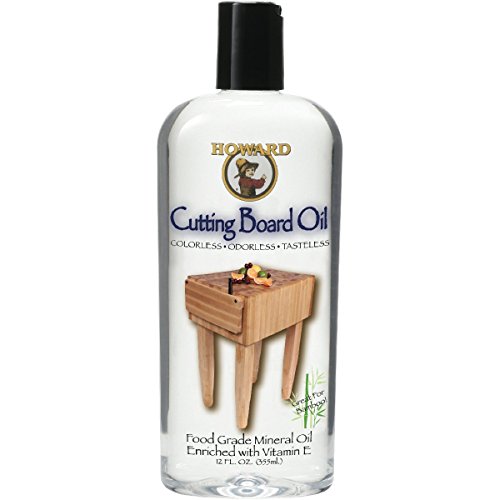
Howard’s Cutting Board Oil is a deep-penetrating, 100% pure USP food-grade mineral oil. It is tasteless, odorless, and colorless, ensuring no effect on the board’s taste or aroma. The oil rejuvenates dry wood and is suitable for cutting boards, butcher blocks, countertops, bowls, and utensils. Its primary action is deep penetration into wood pores, bringing out natural color while helping prevent drying and cracking. This product is designed for regular maintenance and is free from rancidity concerns, making it a staple for kitchen sanitation and longevity.
Rowdy Rooster Cutting Board Gel

This gel combines mineral oil with beeswax to deliver a dual-action surface seal. The formula penetrates deeply to protect and seal while the beeswax adds a protective barrier that helps maintain appearance and durability. Marketed as a comprehensive surface nourishment, the formula acts as both a cutting board oil and wax-based conditioner, revitalizing wooden surfaces and extending the life of butcher blocks and boards. The citrus scent provides a pleasant, unobtrusive aroma during application.
Wood Butter Cutting Board Wax

Wood butter wax provides a protective layer that guards against drying and cracking. Formulated as a conditioner for butcher blocks and wooden kitchen tools, it emphasizes a simple, two-ingredient approach using food-grade mineral oil and beeswax. Made in the USA, this product supports domestic craftsmanship and a long-lasting finish for wooden boards, bowls, and utensils through regular application and maintenance. It is particularly valued for its straightforward ingredients and dependable barrier formation.
John Boos Board Cream
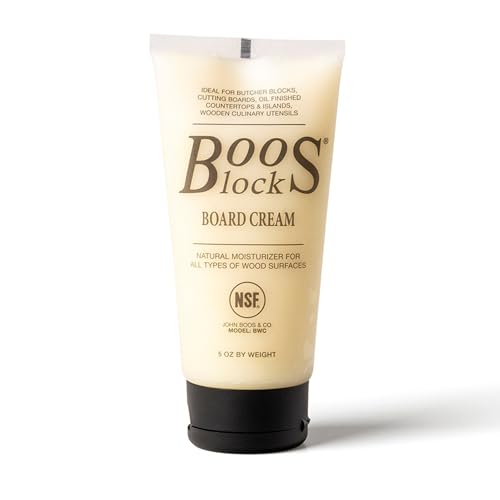
John Boos Board Cream provides natural moisture restoration for cutting boards, chopping blocks, and charcuterie boards. The cream is designed to replenish moisture lost over time, with a monthly application cadence common in drier climates. The formula combines food-grade mineral oil with unbleached beeswax to offer a safe, food-contact-friendly solution that supports ongoing maintenance and a softer, conditioned surface between uses.
Clark’s Coconut Cutting Board Oil

Clark’s Coconut Cutting Board Oil uses refined coconut oil as a plant-based alternative to mineral oil. Free of added mineral oil, this option emphasizes deep penetration and moisture retention without relying on animal-based or synthetic additives. The coconut oil formulation fosters a naturally refreshed surface while helping prevent cracking and drying, making it suitable for households seeking a non-mineral oil solution with a pleasant aroma and easy application.
Clark’s Cutting Board Oil (Lemon & Orange)

This variant from Clark’s is enriched with lemon and orange essential oils, offering a fragrant, food-safe mineral oil blend. The citrus notes add a refreshing scent during application while the oil nourishes and protects wood surfaces. It is designed for easy application on cutting boards, wooden utensils, and countertops, and provides long-lasting conditioning with a focus on aroma as part of routine maintenance.
ANCHORSEAL 2 End Grain Sealer

While primarily known as a log and lumber end grain sealer, ANCHORSEAL 2 is included here for comparison as a high-durability moisture barrier on cut ends of wood. It helps prevent end checks and drying splits in new boards or rough-cut ends. The product demonstrates how end-grain sealing can complement the overall care routine for wooden boards and projects that involve exposed end grain, especially during storage or curing phases.
Buying Guide: Key Considerations for Choosing a Cutting Board Sealer
- Oil base and safety: Mineral oil-based products are tasteless and odorless, ideal for food-contact surfaces. Plant-based oils (like coconut) offer a natural alternative but may have different absorption rates and shelf stability. Consider your preference for scent, residue, and potential flavor transfer.
- Beeswax and thickening agents: Wax blends provide a protective barrier that can reduce drying between applications. They work well on highly used surfaces but may require more effort to buff for a clean finish.
- Frequency of use and climate: In dry or arid climates, more frequent conditioning helps prevent cracking. In humid areas, less frequent applications may suffice if the board sees regular washing and drying.
- Application method and ease: Push-cap or pump designs, ready-to-use gels, and creams affect how easily you can apply the product. Some formulas require longer soak times for optimal absorption, while others dry quickly.
- Maintenance scope: Some products are tailored for boards only, while others also condition butcher blocks, bowls, and utensils. Consider whether you want a single product for multi-surface care.
- Ingredients and safety: Look for products that are food-grade and free from additives that could degrade over time. Be mindful of fragrances if you’re sensitive to scents or prefer a neutral finish.
- Storage and shelf life: Proper storage away from heat and sunlight helps preserve the oil’s effectiveness. Clear labeling with usage guidelines aids ongoing maintenance routines.
- Cost and availability: Evaluate the long-term value by considering how long a bottle lasts under your typical usage. Availability from reputable retailers ensures consistent supply and quality control.
All products listed provide credible options for protecting and maintaining wooden cutting boards and related kitchen tools. When selecting a sealer, align the choice with your usage patterns, climate, and preference for ingredients. Regular, appropriate conditioning helps sustain wood fibers, reduce cracking, and maintain a sanitary, visually appealing surface for daily food prep.