The best eco-friendly water bottles combine durable materials, leak-proof design, and low environmental impact. This guide highlights five top picks ideal for varied lifestyles—work, travel, workouts, and everyday errands. Each choice emphasizes reduced plastic waste, safe materials, and long-lasting construction.
Buyer snapshot:
- Best for hot and cold retention: Bambaw 24 oz Insulated Stainless Steel
- Better for outdoor adventures without insulation: Bambaw 32 oz Non-Insulated Steel
- Best for glass lovers who want safety sleeves: veegoal borosilicate glass
- Best for quick-fill and versatile sipping: Ello Pop & Fill 32 oz
- Best for a compact, leak-proof option: TOURIT 24 oz Insulated
Product Comparison
| Product | Material | Insulation | |
|---|---|---|---|
| Bambaw 24 oz Insulated Stainless Steel | 18/8 stainless steel | Vacuum insulated | Hot/cold drinks on the go |
| Bambaw 32 oz Non-Insulated Stainless Steel | 18/8 stainless steel | Uninsulated | Outdoor adventures without weight from insulation |
| veegoal 25 Oz Borosilicate Glass | Borosilicate glass with silicone sleeve | Non-insulated | Pure-tasting water with glass feel |
| Ello Pop & Fill 32oz | Stainless steel | Double-walled vacuum | Quick fill and versatile sipping |
| TOURIT 24 oz Insulated | Stainless steel | Double-wall vacuum | Reliable temperature control during workouts |
Bambaw 24 oz Insulated Stainless Steel Bottle

The Bambaw 24 oz Insulated Stainless Steel Bottle uses 18/8 stainless steel with a scratch-resistant, paint-free exterior for durability. Its double-wall vacuum insulation keeps beverages hot up to 12 hours and cold up to 24 hours, supporting both daily commutes and longer outdoor activities. Best for: commuters, hikers, and anyone who prioritizes long-lasting temperature control. Limitation: some users note a taste difference compared with plastic bottles; the absence of paint may suit this taste but could affect color preference.
Why it’s selected: This bottle emphasizes eco-friendly construction, lasting performance, and minimal waste—key traits for a persistent shopper aiming to reduce single-use plastic. It suits those who want a reliable daily carrier for hot coffee or cold water without environmental trade-offs.
Bambaw 32 oz Stainless Steel Bottle (Uninsulated)

This 32 oz non-insulated Bambaw bottle offers a simple, durable steel construction designed for outdoor enthusiasts. It is plastic-free and designed to last a lifetime, making it a solid choice for long-term reuse. Best for: outdoor fans who don’t need temperature retention and want a robust, camp-ready bottle. Limitation: without insulation, it won’t keep drinks hot or cold as long as insulated options.
Why it’s selected: The large capacity and minimalist design maximize durability and lifespan, reducing replacement frequency and plastic use in rugged environments.
veegoal Borosilicate Glass Water Bottle
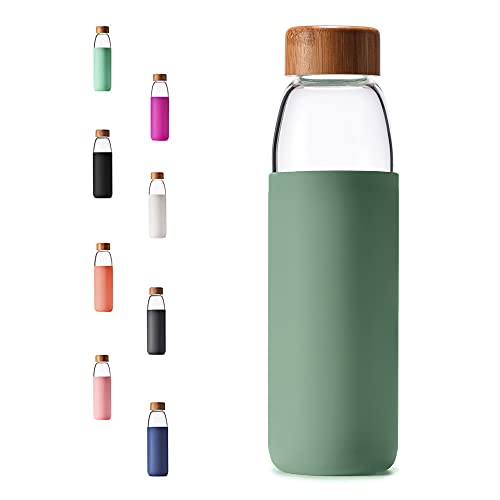
The veegoal glass bottle uses 100% borosilicate glass, free from BPA, BPS, PVC, lead, and cadmium. It ships with a silicone sleeve for grip and protection, plus two lids: bamboo and an additional stainless steel option. It is dishwasher safe and designed to be fully recyclable, with a silicone O-ring to prevent leaks. Best for: buyers who want a glass bottle with added durability and multiple lid options. Limitation: glass bottles can be heavier and require careful handling in rough outdoor use.
Ello Pop & Fill 32oz Stainless Steel

Ello Pop & Fill features a quick-fill lid for fast refills, plus dual sip-and-chug functionality to suit different hydration needs. It uses a 32 oz capacity with 100% leak-proof construction and a locking mechanism to prevent spills in bags. Best for: active users who want rapid refills and flexible sipping styles. Limitation: some users may prefer a single lid style for purist simplicity.
Ello Pop & Fill 32oz Tonal Cream

This variant mirrors the quick-fill and dual-sip design of Ello’s other model with a tonal cream finish. It preserves the same 100% leak-proof seal and locking mechanism for secure transport. Best for: buyers who want a stylish, easy-to-use bottle with reliable performance. Limitation: color finish may show smudges and fingerprints more readily than darker tones.
Buying Guide: Key Purchase Considerations
- Materials: Stainless steel offers durability and reduces plastic waste; glass preserves flavor but is heavier; BPA-free plastics can be lighter but may raise concerns about material leaching. Choose based on how you plan to use the bottle and your tolerance for weight.
- Insulation and Temperature: Double-wall vacuum insulation preserves hot or cold temperatures longer, ideal for full-day outings. Non-insulated options are lighter and excellent for quick hydration with minimal weight.
- Leak-Proof Design: Look for a secure cap seal and, if possible, a locking mechanism for on-the-go transport. This minimizes spills and protects personal belongings.
- Maintenance: Dishwasher-safe options save time; glass bottles require careful handling; silicone sleeves and protective coatings can extend durability for rough use.
- Plastic Reduction: Prioritize bottles that are reusable, long-lasting, and free from single-use plastics. Consider the full lifecycle impact, including production and end-of-life recyclability.
Frequently Asked Questions
- What makes a water bottle “eco-friendly”?
– It typically involves durable materials, reusable design, and a low environmental impact over its lifecycle, from production to end of life. - Is glass better than metal for health?
– Glass doesn’t leach flavors or chemicals, which appeals to many users; however, it’s heavier and can break more easily than metal. - Do insulated bottles save energy at scale?
– Insulated bottles reduce the need for disposable cups and frequent refills, supporting long-term waste reduction when used consistently. - Should I avoid plastic entirely?
– If possible, choose BPA-free, dishwasher-safe plastics or transitions to metal or glass to minimize plastic exposure and waste. - How important is the sleeve on a glass bottle?
– A silicone sleeve protects the bottle from impact and improves grip, making glass bottles more practical for daily use. - Are larger bottles always better for the environment?
– Larger bottles can reduce frequency of refills, but weight and portability matter. Choose capacity that matches your typical usage and carrying options.