Answer: This guide highlights top green poly trash bags designed for kitchen use, recycling, and composting. It helps buyers choose bags based on strength, compostability, and fit for 13-gallon or 21-gallon cans. Best for homeowners seeking eco-friendly options, students needing compact packs, and offices looking for leak-resistant liners. Below are five relevant products with practical comparisons and buying guidance.
| Product | Best For | Key Benefit |
|---|---|---|
| GreenPolly Tall Kitchen Trash Bags | General kitchen use | Thick polyethylene for strength; 13 gal capacity |
| Healthy Earth Compostable Trash Bags | Compostable waste | Plant-based, BPI & TÜV OK certified |
| Amazon Basics Blue Recycling Bags | Recyclables | Dedicated 13 gal blue recycling liners |
| SUPERBIO Compostable Kitchen Bags | Food scraps | BPI & OK compost INDUSTRIAL certified |
| Hippo Sak Tall Kitchen Bags with Handles | Eco-friendly with handles | Recycled ocean-bound plastic, ergonomic |
GreenPolly Tall Kitchen Trash Bags

Brand: GreenPolly
Features: Durable polyethylene material; 13 gallon capacity; 20 count packaging.
Best for: Everyday kitchen waste from households that want reliable, sturdy liners without special certifications. The thick polyethylene provides practical strength for wet or heavy waste compared to thinner alternatives.
Caution: Not labeled as compostable, so use for typical waste rather than composting streams.
Healthy Earth 13 Gallon Compostable Trash Bags

Brand: Healthy Earth
Features: Certified compostable plant-based bags; 13 gallon size; 1.13 mil thickness; leak-resistant; fits standard tall kitchen bins. Certified by BPI & TÜV Austria (ASTM D6400).
Best for: Homes or offices aiming to divert organics to composting streams, with the assurance of compostability certifications. The thicker material helps manage wet waste.
Limitation: Compostable bags require appropriate facilities or composting conditions to meet certifications; not universal for all waste streams.
Amazon Basics Blue Recycling Drawstring Bags

Brand: Amazon Basics
Features: 13 gallon capacity; blue color indicates recycling; 0.74 mil thickness; 60 count; unscented.
Best for: Recycling-focused households or offices that want clearly identified liners for recyclables and a cost-effective bulk option.
Limitation: Thinner than some heavy-duty bags; less suited for wetter or heavier waste without tearing risk.
SUPERBIO 13 Gallon Compostable Drawstring Bags
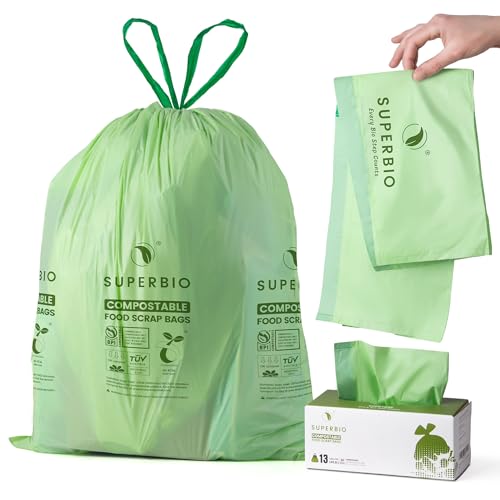
Brand: superbio
Features: 13 gallon (49.2 L); 30 bags per roll; 0.87 mil; tear-free design; BPI OK compost INDUSTRIAL; SEEDLING via TÜV; meets ASTM D6400 & EN 13432.
Best for: Environments needing robust compostable liners with handles for easier tying and transport of organic waste to composting streams. Industrial composting facilities compatible.
Caution: For organic waste streams only; avoid using for non-compostable disposals to maintain certification.
Hippo Sak Tall Kitchen Bags With Handles
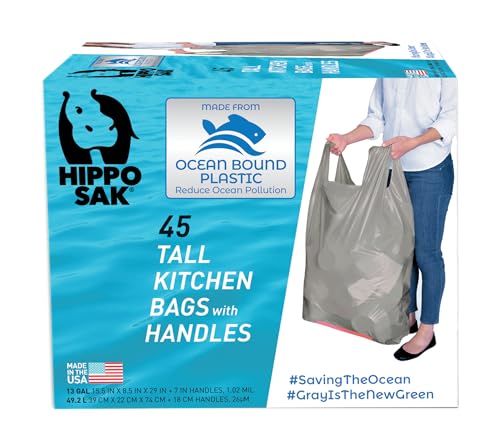
Brand: Hippo Sak
Features: Made from recycled ocean-bound plastic; 45 count; ergonomic handles; tall kitchen bag design for easy handling.
Best for: Eco-conscious users who want to reduce ocean plastic pollution and prefer bags with easier lifting and knotting performance. Good for heavy or wet waste that benefits from more secure handles.
Limitation: Contains recycled material; may vary in thickness and flexibility; check can size compatibility for tall bins.
Buying Guide
What should I look for when choosing green trash bags?
- Waste type: For compostables, choose certified compostable bags (BPI, TÜV OK compost). For recyclables, use blue recycling liners to avoid contamination.
- Can size and bag thickness: Match to your trash can (13 gal, 21 gal, etc.) and waste moisture to minimize leaks and tearing.
- Strength vs. sustainability: Thicker bags often resist punctures and leaks; compostable options reduce plastic waste when disposed of in appropriate facilities.
- Closure design: Drawstrings or handles improve handling; choose based on can shape and user preference.
- Certifications: Look for BPI, OK compost INDUSTRIAL, EN 13432, ASTM D6400 where applicable to verify compostability claims.
Practical Shopping Questions
- Are compostable bags suitable for all kitchens? They are best used when a compliant composting stream is available; otherwise they may not meet local disposal guidelines.
- Will thicker bags fit in standard tall kitchen cans? Most 13-gallon and 49L liners are designed to fit standard tall bins; check dimensions if in doubt.
- Do recycled plastic bags affect bag strength? Recycled content may influence texture; many bags are engineered to maintain strength while reducing new plastics.
- Is a blue recycling bag the right choice for all recyclables? Blue is commonly used for recyclables to prevent cross-contamination with kitchen waste; verify local recycling guidelines.
FAQ
- What is the difference between compostable and biodegradable trash bags? Compostable bags are designed to break down in industrial or home composting facilities; biodegradable bags may break down over time in various environments but may not meet composting standards.
- Can I use compostable bags for wet food waste? Yes, if they are certified for composting and appropriate for your facility, but check local guidelines.
- Do eco-friendly bags cost more? They can be priced higher due to certifications and plant-based materials, but strategies like bulk packaging can offer savings.
- How do I dispose of compostable bags? Use them only in facilities that accept compostable waste; never mix with general trash unless your local system supports it.
- Are there leak-resistant options? Yes, many heavy-duty compostable bags offer leak resistance, especially in thicker designs.
- What bag size should I buy? Choose a size that matches your trash can capacity to avoid excessive bag slack or overflow.