Direct answer: For safe food-contact wood surfaces, use a food-grade mineral oil or beeswax-based polish that penetrates and protects without leaving a greasy residue. This guide highlights five top options that are well-suited for cutting boards, butcher blocks, utensils, and other kitchen wood items. Each pick is explained for who it’s best for, why it was selected, and practical cautions.
Buyer types commonly seeking these products include: home cooks wanting simple, food-safe maintenance; professional kitchens seeking reliable food-grade protection; and parents or caregivers aiming for non-toxic, beginner-friendly wood care. Below is a quick comparison to help decide at a glance.
| Product | Best For | Main Benefit | State |
|---|---|---|---|
| Howard Wax-It-All | General wood surfaces | Food-grade beeswax protection and finish | Beeswax-based |
| Kate Naturals Mineral Oil | Cutting boards and utensils | Lightweight, no greasy residue | Mineral oil |
| Thirteen Chefs Mineral Oil 8 oz | Countertops and boards | NSF-certified, deep conditioning | Mineral oil |
| Rhoose Point Premium Beeswax Polish | Wood furniture and toys | All-natural beeswax conditioner | Beeswax |
| Howard Butcher Block Conditioner | Spice shelves and bowls | Wax and mineral oil blend for durability | Wax + mineral oil |
Howard Wax-It-All Protective Food-Grade Wax

Best for: Home cooks needing a simple wood wax that protects and brightens multiple surfaces, including cutting boards and countertops. The product uses food-grade beeswax to create a protective barrier while enhancing shine. It also doubles as a wood polisher for kitchen items in need of a gentle restore.
Why selected: The beeswax base makes it a practical, non-toxic option that can be buffed to a soft luster. It’s straightforward to apply—thin layer, dry, buff—and it provides a durable finish on wood, stone, metal, cement, and plastics.
Caution: Application should be limited to a thin layer to avoid buildup or streaking on very porous woods. Not all users may need a heavy wax application for items that see high moisture.
Kate Naturals Mineral Oil for Wood Cutting Boards

Best for: Cutting boards, butcher blocks, and wooden utensils needing a light, absorbent finish without a greasy feel. This mineral oil is designed to restore dull wood while absorbing cleanly and leaving no residue.
Why selected: It meets food safety standards and is colorless, odorless, tasteless, and easy to rub in. It also protects stainless steel blades and appliances from rust, adding versatility beyond strictly wood surfaces.
Caution: Mineral oil alone does not harden wood; periodic reapplication is needed to maintain a revitalized surface, especially in high-use areas.
Thirteen Chefs Mineral Oil – 8 oz

Best for: Food-contact surfaces that require deep conditioning with a dependable food-grade mineral oil. Suitable for cutting boards, countertops, and butcher blocks, with added durability on wooden tools.
Why selected: NSF-certified and colorless, it provides a purer finish that’s less likely to alter the appearance of light woods. It’s made in the USA, aligning with quality standards and accessible maintenance routines.
Caution: Avoid over-application on very dry or dense woods, which can slow absorption and leave a film if excessive oil is applied at once.
Rhoose Point Premium Beeswax Wood Polish

Best for: Wooden furniture, cutting boards, and kitchen islands that benefit from a natural beeswax conditioner. A hand-poured beeswax formula emphasizes purity and eco-friendly care.
Why selected: All-natural, food-safe ingredients deliver conditioning and polishing without harsh chemicals. The product is described as 100% natural and hand-poured in Britain, appealing to buyers seeking sustainable options.
Caution: Beeswax-based polishes can feel slightly tacky on very warm surfaces; allow a full buff to achieve an even sheen in such conditions.
Howard Products Butcher Block Conditioner

Best for: Cutting boards, salad bowls, and wooden spoons needing rehydration and protection. It blends natural waxes to provide an extra layer of defense against drying and cracking.
Why selected: The combination of waxes and mineral oil creates a resilient barrier, ideal for items that encounter frequent moisture. It’s described as a revitalizing blend for wood used in everyday kitchen tasks.
Caution: This product is best in thin, even coats; heavy layers can take longer to cure and may feel tacky until fully absorbed.
Tried & True Original Wood Finish

Best for: All woodwork requiring a durable, food-safe sealer with a warm appearance. This linseed oil and beeswax blend is designed to resist water and wear over time.
Why selected: The proven combination of oil and wax offers long-lasting durability and ease of repair without stripping. It’s a reliable option for heirloom-quality maintenance.
Caution: It cures indoors without strong fumes, but proper ventilation helps during application and curing, as with any oil-based finish.
Daddy Van’s All Natural Beeswax Polish
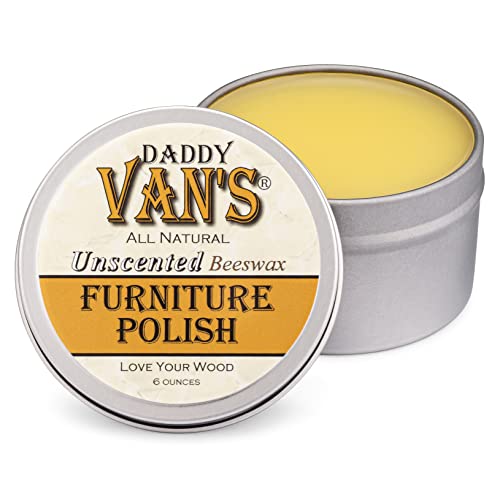
Best for: Non-toxic, unscented wood surfaces such as cutting boards, utensils, cabinets, and antiques that require conditioning without fragrances or harsh chemicals.
Why selected: It uses 100% natural beeswax and carnauba wax to nourish and restore wood while remaining food-safe and VOC-free. Suitable for households prioritizing non-toxic care.
Caution: Beeswax products can build up on very porous woods if not buffed properly; wipe off excess to avoid a waxy feel on certain finishes.
Buying Guide: Key Considerations For Food-Safe Wood Polishes
- What surface do you care for most? Cutting boards, butcher blocks, utensils, or furniture require different balances of oil, wax, and absorbency.
- Is the product food-grade and safe for contact with food surfaces? Look for USP or NSF certifications and explicit food-contact claims.
- Which finish do you prefer? Oil-based finishes penetrate wood; wax-based polishes provide surface protection and sheen; blends aim to combine both benefits.
- How often should you reapply? High-use kitchen items may need more frequent maintenance than decorative furniture.
- Are you seeking a natural or fragrance-free option? Unscented, non-toxic formulas are preferable for kitchens and allergy concerns.
- Will the product leave residue? Opt for colorless, odorless formulations that absorb cleanly and don’t leave greasy films.
- Durability versus ease of use: oils are easy to apply but may require regular reapplication; waxes offer longer protection but can require buffing.
FAQ
- What is the safest option for a wooden cutting board? A colorless mineral oil that is food-grade and absorbs without leaving a film.
- Can I use furniture wax on kitchen countertops? Yes, but apply a thin layer and buff well to avoid buildup on very porous surfaces.
- Do these products require rinsing after use? No; they are designed to leave a protective layer without needing washing off.
- How often should I reapply to a butcher block? Reapply when the wood looks dry or feels rough; frequent use may need more frequent maintenance.
- Are there fragrance-free options? Yes; several products advertise unscented formulas suitable for kitchens.
- Is a beeswax-based product better than mineral oil? It depends on your needs; beeswax provides surface protection and sheen, while mineral oil nourishes and conditions deeper.