Users searching for safe, food-contact friendly wood finishes should consider products that combine beeswax with food-grade oils to protect and beautify surfaces. This guide highlights five reliable options, explaining who each is best for, their key benefits, and any notable limitations. The selections emphasize safe formulas for cutting boards, butcher blocks, countertops, and other wooden fixtures in kitchens and living spaces.
| Product | Best For | Why It Stands Out |
|---|---|---|
| Howard Wax-It-All | General wood surfaces and countertops | Food-grade beeswax with easy application; protective barrier and finish enhancer |
| Macy’s Place Wood Butter | Cutting boards and kitchen tools | Two-ingredient formula (mineral oil and beeswax); reinforces moisture protection |
| Tried & True Original Wood Finish | Heirloom wood projects and items indoors | Linseed oil and beeswax blend for durable, repairable finish |
| Rhoose Point Remedies Premium Beeswax Polish | Small wooden items and furniture | All-natural, food-safe beeswax polish for restoration and conditioning |
| Daddy Van’s All Natural Beeswax Polish | Unscented kitchen surfaces and antiques | Non-toxic, zero-VOC, food-safe conditioning and protection |
Note: All products summarized here are formulated to be food-contact safe, meaning they are suitable for surfaces that may come into direct contact with food. When selecting a finish, consider the level of hardness, cure time, indoor use, and whether you prefer a restorative polish or a long-lasting barrier.
Howard Wax-It-All Protective Food-Grade Beeswax Polish

Best for: kitchen counters, cutting boards, and household wood surfaces that require a light, buffable sheen. This product offers a protective barrier with a food-grade beeswax finish, suitable for surfaces in daily use. The wax can enhance and protect while delivering a subtle luster. Application involves applying a thin layer, allowing to dry, and buffing to shine. Caution: avoid excessive build-up as thick coats may take longer to cure and may feel waxy to the touch until buffed.
Macy’s Place Wood Butter Cutting Board Wax

Best for: cutting boards and wooden kitchen tools needing moisture protection. The product combines food-grade mineral oil with organic beeswax to guard against drying and cracking. It’s formulated for long-term use on butcher blocks and boards made in USA facilities. Limitation: may require more frequent reapplication on high-use surfaces or warm kitchens where oils absorb more rapidly.
Tried & True Original Wood Finish

Best for: durable, long-lasting finishes on all woodwork, especially projects where touch-up repairability matters. It blends linseed oil with beeswax to provide a warm appearance and solid protection against water and daily use. This finish cures efficiently without toxic drying aids, enabling indoor use without PPE. Caution: contains linseed-based components; ensure good ventilation during initial curing and follow cure times for best results.
Rhoose Point Premium Beeswax Wood Polish

Best for: restoring and conditioning furniture, toys, and cutting boards with a natural finish. This hand-poured polish uses all-natural ingredients and British beeswax, delivering a non-toxic, eco-friendly option for kitchen and living spaces. Limitation: available in smaller bottle sizes; may require more frequent application for extensive surfaces.
Daddy Van’s All Natural Beeswax Furniture Polish
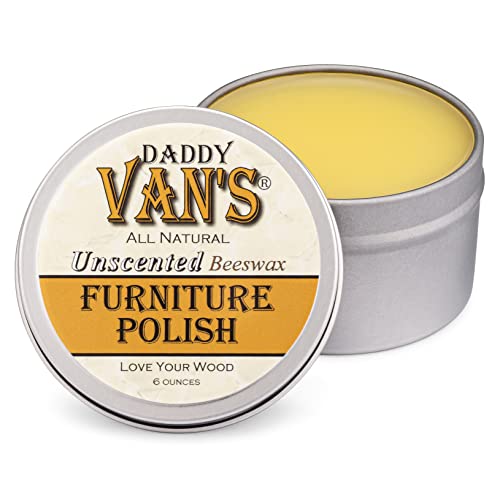
Best for: unscented kitchen surfaces, antiques, and furniture where a neutral fragrance and non-toxic formula are priorities. The polish blends beeswax with carnauba wax to nourish, protect, and restore wood finishes. It is safe for homes with pets and kids due to its zero-VOC and non-toxic nature. Caution: expect a lighter scent-free experience; there is no artificial fragrance to mask odors if you prefer scented products.
Buying Guide: Key Considerations
What should you evaluate when choosing a food-safe beeswax wood finish? Consider the surface type, usage level, cure time, and ease of reapplication. For cutting boards and butcher blocks, look for food-grade mineral oil and beeswax blends that provide deep hydration without creating a sticky surface. For antiques or heirloom pieces, a durable beeswax and linseed oil blend may offer longer protection and easier repairability. Indoor use often benefits from fast curing formulas that minimize downtime between applications. Always test on a small, inconspicuous area first to confirm color and feel.
Ingredients And Safety
Check that the product lists food-grade ingredients and avoids solvents or harsh additives. Beeswax, mineral oil, and carnauba wax are common and generally recognized as safe for surfaces contacting food. Unscented options reduce potential irritants in sensitive environments. If you own a kitchen or dining area, prioritize non-toxic, VOC-free formulas.
Application And Maintenance
Most finishes require a light coat, drying time, and a buff to a shine. Some blends penetrate deeply for nourishment, while wax-rich formulas form a protective film atop the surface. Reapplication frequency depends on use: high-traffic areas with exposure to water and heat may need more frequent care. Keep a soft cloth handy for routine buffs to maintain luster and repel moisture.
Surface Compatibility
Beeswax-based finishes work well on cutting boards, butcher blocks, tabletops, antiques, and furniture. Porous woods (oak, pine, maple) typically respond well to conditioning oils and waxes. For painted or sealed surfaces, ensure the finish is compatible and does not compromise the underlying coating or appearance.
Availability And Sourcing
These products are readily available through major retailers and direct online listings. Choose brands with clear ingredient disclosures and transparent safety information. For ongoing projects, consider buying in larger containers if you plan frequent maintenance, provided the formula remains suitable for your surfaces.
FAQ
- Are these finishes safe for cutting boards? Yes. All listed products are formulated to be food-contact safe, making them suitable for cutting boards and other kitchen items.
- How often should I reapply? Reapplication frequency depends on use. High-traffic kitchens may require every few weeks, while low-use furniture can be spaced months apart.
- Can I use these indoors on antique furniture? Yes, many blends are designed for indoor use and offer enhanced durability while preserving natural wood beauty.
- Do these finishes have a strong odor? Most options are unscented or lightly scented; if odor is a concern, choose unscented formulations.
- Will these finishes waterproof wood? Beeswax-based finishes provide a hydrophobic barrier and surface protection, but they are not permanent waterproof seals; periodic maintenance restores protection.
- Are there vegan options? Yes, several products use plant-based or animal-free bases; check ingredient lists for beeswax if strict vegan criteria are required.