Finding the right food-grade glue means prioritizing non-toxic, food-safe formulations that bond plastics, ceramics, glass, and more without compromising safety. This guide highlights five top options designed for kitchenware, dishes, mugs, and DIY projects where contact with food is possible. Each pick is explained for who it suits best, with clear pros, limitations, and practical comparisons to help you choose confidently.
| Product | Best For | Why It Stands Out |
|---|---|---|
| CYAFIXED Food Grade Glue | Fine-detail repairs, small crafts | Precision microtip, anti-clog cap, multi-material adhesion |
| ATLASBOND Ceramic Glue | Ceramics, mugs, dishes | Strong, clear bonds; food-safe formula; durable under heat |
| Sil-Bond Food Grade RTV | Sealing and general bonding | NSF approved, white sealant with high temp rating |
| LMQ LASH Ceramic Glue (2 Pack) | Ceramics and porcelain fixes | No-drip thick formula; fast set; anti-clog cap |
| Gordon Glass Co. White Silicone | Glass, ceramic, and metal bonding | Moisture-curing RTV silicone; wide substrate compatibility |
Food Safe Adhesives For Everyday Kitchen Use

The CYAFIXED glue is a medium-thick cyanoacrylate that dries clear and is marketed as food-safe. Its precision microtip supports careful application on small areas, making it ideal for intricate repairs on ceramic shards, glass ornaments, or plastic components in contact with food. The anti-clog cap helps maintain usability over multiple sessions. Best for users who need controlled, detailed gluing in tight spaces, such as repairing ceramic lids or plastic utensil handles. Caution: CA glues can become brittle with extreme temperature changes; avoid applying on porous or oily surfaces without proper prep.
ATLASBOND Ceramic Glue For Porcelain And Dishes

This ceramic glue is described as a “ceramic savior” with a focus on repairing cracked porcelain and pottery. It is designed to deliver a strong bond suitable for mugs, dishes, and other dinnerware, with food-safe adhesive claims. It’s best for repairs where a clear, unobtrusive bond is desired and where the item will frequently contact food or liquids. It promises waterproof and heat resistance for durability. A potential limitation is that glossy, non-porous ceramic surfaces still benefit from proper surface prep to maximize adhesion.
Sil-Bond NSF RTV Silicone Sealant
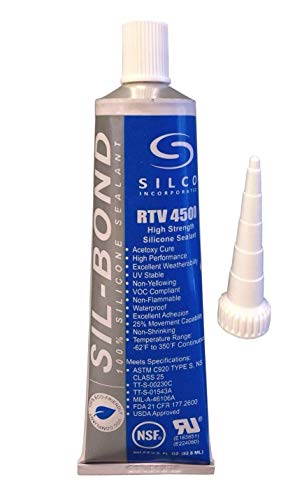
The Sil-Bond product is a white food-grade silicone sealant with NSF approval and a 350F temperature rating. While it is a sealant more than a glue, it provides a reliable, food-safe option for sealing seams on glass, porcelain, and certain plastics. It excels in moisture-prone areas such as kitchen sinks, countertops, and bathroom fixtures. Choose this when you need a flexible, waterproof seal rather than a rigid bond, but avoid using it where rigid strength is required for holding heavy items together.
SWIFFAR Ceramic Glue For Pottery And Porcelain
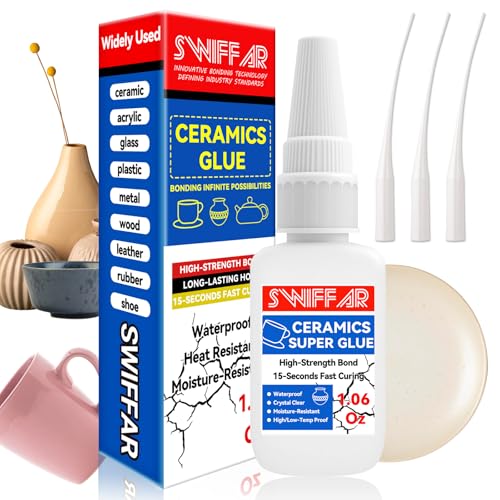
SWIFFAR offers a clear, hard-wearing ceramic glue designed for mugs, dishes, and decorative pieces. It emphasizes a durable, waterproof bond and heat resistance, making it suitable for kitchen items exposed to moisture or heat. Best for consumers needing a nearly invisible repair on porcelain or ceramic that will endure daily use. Limitation: as with many ceramic glues, surface preparation and clamping are important to achieve optimal alignment during cure.
LMQ LASH Ceramic Glue (Two-Pack)
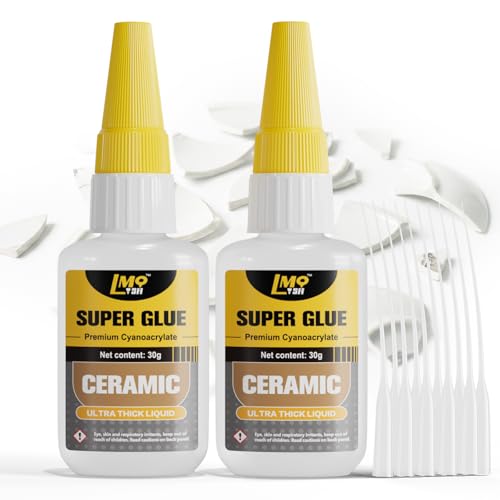
LMQ LASH provides a two-pack option with a no-drip, thick formula and micro-tips for precise application. It targets porcelain and ceramic repairs, including mugs and bowls, offering a fast 30-second set with a practical working window. Best for projects requiring precise alignment and reduced risk of overflow. Avoid this if you need a particularly flexible seal, as cured bonds tend to be rigid.
Gordon Glass Co. White Silicone Sealant

This white silicone sealant from Gordon Glass Co. is a one-part, moisture-curing RTV that adheres to glass, metal, porcelain, ceramic, wood, and many plastics. It offers long-term durability and flexibility, ideal for sealing joints in kitchenware, countertops, and bathroom fixtures. Best for users needing a general-purpose sealant rather than a rigid adhesive bond. Caution: ensure the surface is clean and dry before application to maximize adhesion.
Buying Guide: Key Purchase Considerations
- Food-safety claims matter most for items that contact food regularly. Look for explicit NSF or FDA-compliant statements and documented usage on ceramics or plastics used with food.
- Material compatibility: If you repair ceramic mugs or porcelain dishware, choose a product marketed for ceramics with clear bonding strength and transparency when dried.
- Drying and cure times: Fast-set formulas save time, but ensure sufficient working time for precise alignment. Note temperature resistance for items used in hot environments.
- Bond durability: For items that will be washed or come into contact with water or steam, prioritize waterproof and heat-resistant formulations.
- Application control: Microtips, no-drip formulas, and anti-clog caps minimize waste and improve user experience, especially in tight spaces.
- Sealant vs. adhesive: If you need a flexible seal, a silicone RTV may be preferable; for rigid bonds on ceramic or plastic, CA glues and epoxy-like formulas are often stronger.
- Application surface prep: Clean, dry surfaces and gentle roughening of glossy surfaces can significantly improve adhesion.
FAQ
- What makes a glue food-safe? — It should be non-toxic, cure to a stable bonded state, and be suitable for items that contact food without releasing harmful substances.
- Can these glues bond plastic and glass? — Yes, many are multi-material adhesives designed to work on ceramics, plastics, glass, and metal, though performance varies by surface.
- Is a silicone sealant an adhesive? — Silicone sealants primarily seal gaps, but some formulas can bond materials; for structural bonds, choose a dedicated adhesive designed for your substrates.
- How long does cure time take? — Cure times vary by product; some offer quick 30-second sets with longer full cure windows up to 24 hours.
- Should I avoid using these on porous surfaces? — Porous surfaces may require surface preparation or a different formulation to achieve a reliable bond.
- Are these safe for dishware? — Many are marketed as food-safe adhesives for mugs and dishes; verify each product’s explicit safety certifications before use.