Facing a crowded shelf of sponges, buyers want eco-friendly options that clean well without harming the planet. This guide highlights five top choices that balance sustainable materials, durability, and practical performance for common kitchen tasks. Ideal for eco-conscious households, busy families, and anyone seeking non-toxic cleaning tools.
Below is a quick comparison of the selected products. Use this table to prioritize based on materials, durability, and best-suited tasks.
| Product | Key Eco Benefit | Best For | Potential Limitation |
|---|---|---|---|
| Natural Kitchen Sponges, Biodegradable & Compostable | Biodegradable cellulose with coconut fiber scrubber | Dishes, pots & pans; everyday cleaning | Size may be smaller for large pots |
| Isshah Plant-Based Kitchen Sponges | FSC certified, PETA approved; natural sisal hemp mix | Stubborn grease on tough surfaces | Hemp fibers may feel rough to sensitive users |
| AIRNEX Natural Kitchen Sponges (12 Pack) | Biodegradable cellulose; coconut fiber scrubber | Non-scratch cleaning on non-stick cookware | Multiple-pack value; check fit for delicate glass |
| HOMEXCEL Sponges Kitchen (24 Packs) | Double-sided natural cellulose and sisal fiber | Scratch-free cleaning on non-stick items; quick drying | Bulk-pack may be overkill for small households |
| Scotch-Brite Greener Clean Non-Scratch Scrub Sponge | 100% recycled scrubbing fibers | Durable everyday scrubbing; non-scratch | Not fully biodegradable; recycled fibers |
Natural Kitchen Sponges, Biodegradable & Compostable
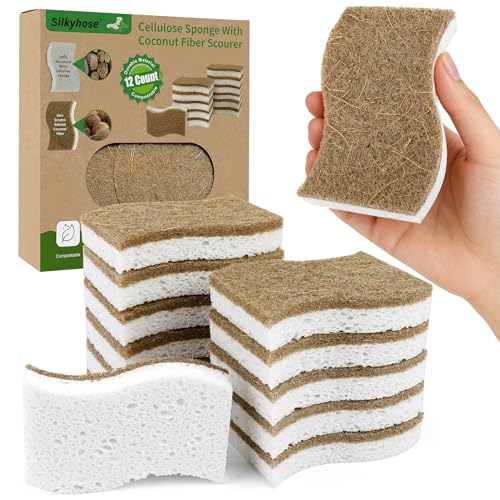
The Silkyhose sponge uses biodegradable white cellulose paired with a coconut fiber scrubber. It emphasizes an eco-friendly, renewable kitchen cleaning option and a porous structure that dries quickly to reduce odor-causing compounds. Best for buyers seeking a plant-based, non-plastic cleaning tool that won’t retain moisture as readily.
Who this is best for: households prioritizing plant-based materials and rapid drying to minimize smells. Why selected: blends sustainability with functional scrubbing for daily dishwashing and light pot cleaning. Caution: may be smaller in size, so users with larger pots should plan for additional sponges.
Isshah Plant-Based Kitchen Sponges

Isshah’s sponges combine FSC-certified wood cellulose with sisal hemp and coconut husk components. This design targets heavy-duty cleaning on greasy surfaces while avoiding scratches on delicate cookware. The kit’s long-lasting durability supports repeat use, translating to less frequent sponge replacement.
Who this is best for: cooks who want a tougher, sustainable alternative for stubborn residue. Why selected: strong cleaning power without sacrificing eco credentials. Caution: natural fibers can feel stiffer; may require a brief break-in period for optimal softness.
AIRNEX Natural Kitchen Sponges

AIRNEX offers a 12-pack of sponges made from biodegradable cellulose with a coconut scrubber. The product emphasizes a non-scratch cleaning experience that’s safe for non-stick cookware, glass, and stainless steel. Quick-drying construction helps prevent odor buildup and keeps sponges fresher longer.
Who this is best for: households with a mix of non-stick and metal cookware seeking gentle yet effective scrubbing. Why selected: balances effective grease removal with non-scratch protection. Caution: as a pack, replacement planning may be necessary to maintain availability.
AIDEA Sponges Non Scratch (6 Count)
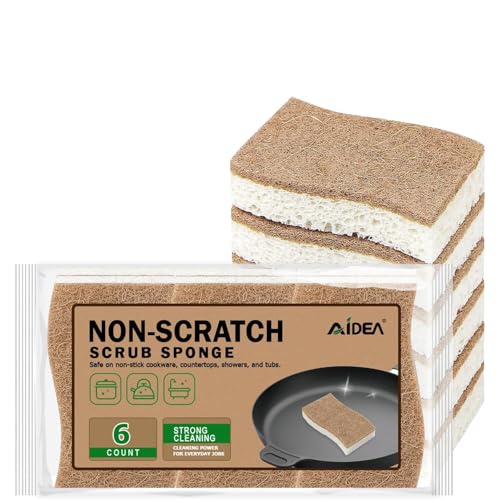
AIDEA’s non-scratch sponges feature a cellulose base with a gentle abrasive layer designed to tackle stuck-on foods without scratching delicate surfaces. The high-density sponge maintains rebound resilience and resists deformation, supporting longer use for routine kitchen cleaning.
Who this is best for: users needing a balance of gentle surface care and solid cleaning power. Why selected: scratch-free promise on cookware and glass; durable construction. Caution: surface feel may be slightly textured for some users initially.
HOMEXCEL Sponges Kitchen (24 Packs)

HOMEXCEL combines double-sided S-shaped cellulose and natural sisal fiber for a comfortable grip and powerful cleaning. The sisal side effectively tackles grease and stubborn dirt, while the cellulose offers gentle contact with non-stick surfaces. This sponge dries quickly, reducing odor risk.
Who this is best for: households needing bulk sponges with a non-scratch option for various surfaces. Why selected: clear emphasis on fast drying and odor resistance. Caution: bulk packaging may be more than needed for small households.
Scotch-Brite Greener Clean Non-Scratch Scrub Sponge

This Scotch-Brite option uses 100% recycled scrubbing fibers for durable cleaning with a non-scratch surface. It’s designed to stand up to daily kitchen scrubbing while protecting nonstick cookware and delicate surfaces. A practical choice for households prioritizing recycled materials.
Who this is best for: buyers seeking durability and recycled content. Why selected: best for heavy daily use without harming nonstick surfaces. Caution: not fully biodegradable; intended as a long-lasting scrub sponge rather than a compostable option.
Sponges Kitchen Natural Dish Sponge (PUCITY)

PUCITY’s pack blends all-natural white cellulose with coconut fiber scrubbers to deliver a non-scratch cleaning experience and strong grease removal. These compostable sponges offer a practical option for those who want dual-function sponges that are easy to foam with dish soap.
Who this is best for: eco-minded homes seeking fully compostable options with dual-function scrubbing. Why selected: clear emphasis on both dry, bubble-friendly foam and robust cleaning with coconut scrubbers. Caution: packaging and fibers indicate compostability, but verify local composting capabilities for disposal.
Buying Guide: Eco Friendly Kitchen Sponges
What materials matter most? Look for plant-based cellulose, natural fibers (sisal, hemp), and coconut scrubbers. These options tend to dry faster and reduce odor risk, compared to plastic sponges that harbor bacteria.
Non-scratch vs. scratch-friendly: If you clean non-stick cookware or glassware, choose non-scratch designs. For sturdy pots and pans with heavy grease, sponges with robust natural fibers can deliver stronger cleaning power without scratching.
Durability and replacement: Consider whether you prefer a single sponge or a bulk pack. Durable designs reduce waste, but bulk packs require more upfront storage. Fast-drying constructions help minimize mold and smell buildup.
End-of-life disposal: Biodegradable and compostable sponges offer a greener option, but confirm local composting facilities will accept them. Recyclability or home compostability can influence your environmental impact.
Usage tips: Rinse after use, squeeze out excess water, and air-dry in a well-ventilated area. Rotate sponges periodically to prevent odor buildup and ensure even wear across all surfaces.
FAQ
- Are natural sponges truly eco-friendly? Yes, when sourced from renewable plant fibers and disposed of properly, they offer lower environmental impact than traditional synthetic sponges.
- Do these sponges scratch non-stick cookware? Most non-scratch options are designed to avoid scratching delicate surfaces like non-stick coatings; always follow product guidance.
- How long do these sponges last? Durability varies by material and usage, but cellulose-based sponges with sturdy fibers typically endure several uses before replacement.
- Can these sponges be composted? Some are fully biodegradable or compostable; check product labels and local composting guidelines for disposal options.
- Do these sponges work on all kitchen surfaces? Generally effective on dishes, pots, pans, and countertops; choose a sponge with the right balance of softness and scrubbing power for your surfaces.
- Is bulk packaging more eco-friendly? Bulk or multi-pack options reduce individual packaging waste but require more storage space and forward planning.