Looking for a carbon block water filter pitcher that delivers clear, better-tasting water at home? This guide highlights five top picks that emphasize carbon filtration, NSF/ANSI certifications, and practical design for everyday use. Each option suits different needs—from compact countertop models to glass pitchers and large-office dispensers. The best choice depends on your family size, budget, and preference for materials such as BPA-free plastic or glass.
Summary of chosen products
| Product | Best For | Why It Stands Out |
|---|---|---|
| Waterdrop PT-07B Water Filter Pitcher | Small apartments, everyday use | Long-life filter, NSF certified, reduces PFOA/PFOS and chlorine |
| Epic Water Filters Pure Pitcher (White & Bamboo) | Families seeking Forever Chemicals removal | 5-stage carbon block filtration, removes PFAS, lead, fluoride |
| Waterdrop PT-72BL Glass Pitcher | Glass preference, clean taste | Glass body, 5-stage filtration, NSF/ANSI certified |
| Brita Large 10-Cup Pitcher | Budget-conscious, simple maintenance | NSF/ANSI certified, easy to use, compact |
| Waterdrop PT-05B-L Pitcher | Countertop filtration on a budget | 7-Cup capacity, 200-gallon lifespan, reduces chlorine and PFOA/PFOS |
Waterdrop PT-07B Water Filter Pitcher, 10-Cup

The Waterdrop PT-07B is a 10-cup pitcher designed for apartment kitchens and small households. It features a long-life filter (up to 200 gallons) and NSF/ANSI certifications, including 42 and 372. It reduces PFOA/PFOS and chlorine, with a hands-free lid that aids hygiene and convenience. Best for: users who want a compact, certified filtration solution that fits in tight spaces and improves coffee and tea taste. Limitation: it does not lower total dissolved solids (TDS).
Epic Water Filters Pure Pitcher (White & Bamboo)

This 10-cup pitcher provides a robust filtration suite designed to remove Forever Chemicals (PFAS) and chlorine, along with lead and other contaminants. It uses a 6mm thick carbon block and is tested against multiple NSF standards (42, 53, 401, P473). Best for: families seeking thorough contaminant reduction and long-term filter life. Caution: the detailed performance claims depend on water quality and may vary by usage.
Waterdrop PT-72BL Glass Water Filter Pitcher

The PT-72BL is a 7-cup glass pitcher that emphasizes pure taste and environmental considerations. It employs a five-stage filtration system, including carbon fiber and ion exchange resin, to reduce chlorine, metals, and PFOA/PFOS. It is NSF/ANSI certified for 42, 53, and 372. Best for: households that prefer a glass body and want to minimize plastic contact with water. Limitation: does not lower TDS value.
Brita Large 10-Cup Pitcher

The Brita Large 10-Cup Pitcher offers convenient, standardized filtration with one standard filter included. It emphasizes ease of use and fits refrigerator shelves to keep water readily accessible. Best for: budget-minded buyers who want a familiar, simple filtration solution for daily hydration. Caution: filtration effectiveness depends on using compatible Brita filters and following replacement schedules.
Brita Extra-Large 27-Cup Dispenser
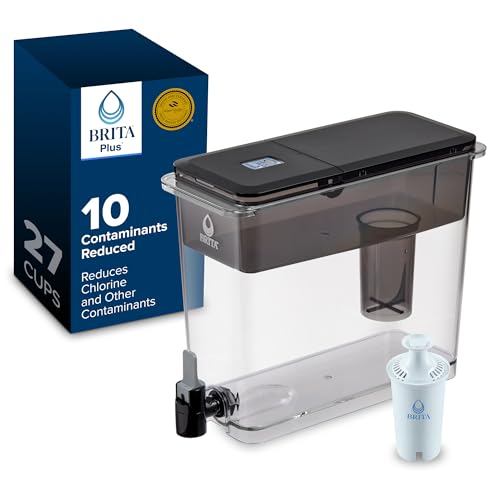
The Brita UltraMax dispenser holds 27 cups and includes a BritaPlus filter for enhanced contaminant reduction. It is BPA-free and features a spigot for easy pouring. Best for: households needing a large-volume solution with a built-in dispensing option. Limitation: large footprint may not suit smaller kitchens; performance varies with filter type and usage.
Waterdrop PT-05B-L Pitcher

The PT-05B-L is a 7-cup countertop pitcher with a 200-gallon lifespan and NSF/ANSI 372 & 42 certifications. It reduces chlorine and PFOA/PFOS while offering cost-effective filtration. Best for: budget-conscious buyers who want strong performance without a large upfront investment. Caution: performance depends on local water conditions and usage; does not lower TDS.
Buying Guide: Key Purchase Considerations
- Filtration performance: Look for NSF/ANSI certifications (42 for chlorine and taste, 53 for heavy metals, 372 for lead-free materials) and PFAS/PFOA removal if you’re concerned about Forever Chemicals.
- Capacities and footprint: Choose 7 to 10 cups for countertop use, or larger options if you need to refill less often. Glass options reduce plastic contact but may be heavier.
- Filter lifespan: Long-life filters save replacement frequency. Verify whether the stated gallon lifespan aligns with your water quality and household usage.
- Materials and aesthetics: Glass bodies are stylish and inert, while BPA-free plastics offer lighter weight and durability. Consider dishwasher compatibility where relevant.
- Ease of use: Features like a hands-free lid, spill-resistant dam, and easy-fill lids improve daily convenience and hygiene.
- Maintenance: Check how easy it is to replace filters, where to purchase replacements, and overall ongoing costs.
Frequently Asked Questions
- What does NSF/ANSI certification mean for a water filter pitcher? – It indicates third-party tested safety and contaminant reduction performance, giving confidence in filtration claims.
- Do all carbon block filters remove PFOA/PFOS? – Many do, but verify the product’s certification and claims for PFAS removal to ensure it meets your needs.
- Can a pitcher reduce total dissolved solids (TDS)? – Most carbon block pitchers do not significantly lower TDS; they target contaminants and taste/odor.
- Which pitcher is best for a family? – Look for 10-cup or larger models with long-life filters and multi-contaminant reduction to minimize replacements.
- Is glass better than plastic for filtration? – Glass reduces potential leaching and plastics contact; it’s also easier to clean and often preferred for taste preservation.
- How often should I replace the filter? – Replacement frequency varies by usage and water quality; follow the manufacturer’s guidelines and monitor taste and odor changes.