Looking for paper plates without PFAS to simplify cleanup while protecting health and the environment? This guide highlights five PFAS-free options that are heavy-duty, microwave-safe, and compostable. These plates are best for family meals, parties, picnics, and busy households seeking sustainable alternatives to traditional disposables.
Summary table of chosen products:
| Product | Best For | Why It Stands Out |
|---|---|---|
| MOBI Ecoware Paper Plates | Heavy meals, hot foods | PFAS-free, 100% biobased, microwave-safe |
| PACKINNO 9 Inch 125 Pack | Families, gatherings | 4x stronger than standard, 100% compostable |
| JOLLY CHEF 100% Compostable Plates | Backyard events | Bagasse/bamboo composition, PFAS-free |
| ECOLipak 9 Inch 150 Pack | Parties, buffets | Sugarcane bagasse, heavy-duty |
| Stack Man 125-Pack PFAS-Free Plates | Everyday use | Bagasse/bamboo, BPI-certified |
MOBI Ecoware Paper Plates — PFAS-Free and Heavy Duty
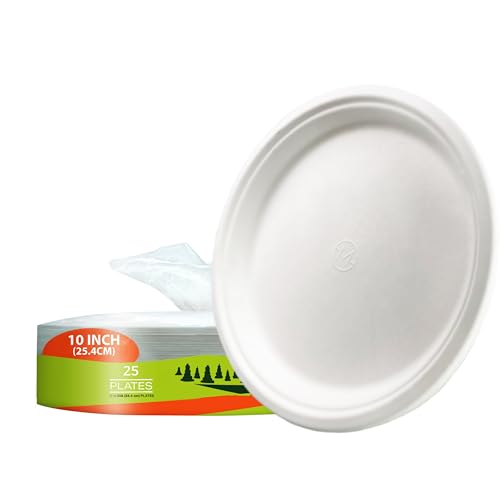
Best for: households needing reliable, PFAS-free plates for hot or oily foods. These 10-inch, 0.5-inch-deep plates offer robust support and are designed to resist leakage and bending. They are microwave-safe, suitable for hot or cold meals, and marketed as PFAS-free with no plastic coating.
Why selected: The combination of 10″ size, deep profile, and PFAS-free claim provides a practical balance of durability and health-conscious materials. They are designed to handle heavier servings without sogginess, making them a solid everyday option.
Caution: Verify regional composting options; some facilities may have specific guidelines for bagasse-based products.
PACKINNO 9 Inch 125 Pack Compostable Plates
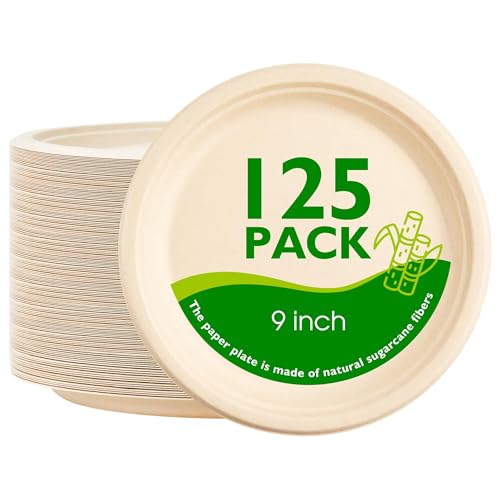
Best for: family dinners and casual gatherings where ease of cleanup matters. These 9-inch plates are made from 100% renewable sugarcane bagasse and are 4x stronger than standard disposable plates, with 100% compostable, BPI-certified credentials.
Why selected: They combine heavy-duty strength with compostability, making them a practical solution for busy households and events seeking zero-waste outcomes. They resist oil and moisture and are microwave-safe for hot foods.
Caution: Some users may find the unbleached brown color less suitable for certain color-themed events; aesthetic preference may vary.
JOLLY CHEF 100% Compostable Plates — 150 Pack
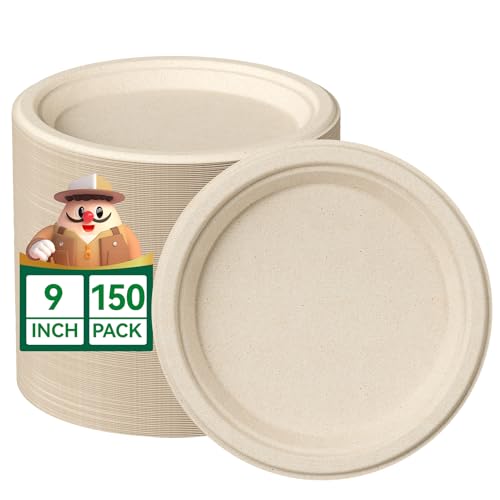
Best for: bulk events and large outdoor gatherings where long-lasting, leak-proof plates are needed. These plates are described as heavy-duty, compostable, and PFAS- and BPA-free, made from bagasse and bamboo.
Why selected: The 150-pack size makes it a cost-efficient choice for big groups while maintaining eco-friendly materials. They claim microwave and freezer safety for a variety of foods.
Caution: The actual floating aesthetic may vary with batch color, as bagasse-based plates often appear natural brown.
ECOLipak 9 Inch 150 Pack Compostable Plates

Best for: parties or buffets where quick cleanup and composting are priorities. The 150-pack set emphasizes natural materials and heavy-duty performance, suitable for hot and cold foods.
Why selected: Sugarcane bagasse-based plates decompose more readily in compost environments and avoid plastic coatings, aligning with eco-conscious entertaining. They are designed to resist oil and heat, reducing risk of leaks.
Caution: Availability and batch sizes may vary by seller; check current stock before planning large events.
Buying Guide: Key Considerations For PFAS-Free Paper Plates
What does PFAS-free mean for disposables?
PFAS-free plates do not use per- and polyfluoroalkyl substances in coatings or finishes. This reduces potential exposure when serving hot or fatty foods and aligns with health-conscious and environmentally friendly dining.
Material matters: bagasse, bamboo, and paper
Bagasse (sugarcane fiber) plates are often marketed as heavy-duty and compostable. Bamboo and other plant fibers can provide strength without synthetic coatings. Look for 100% compostable certifications and clear material declarations.
Strength and stability: best for hot, oily, or heavy meals
Heavy-duty options are four times stronger than standard disposable plates in many cases. If you plan to serve greasy dishes, choose options specifically noting oil resistance and leak resistance.
Microwave and freezer suitability
Many PFAS-free plates are microwave-safe for short bursts and suitable for cold foods. If you anticipate hot meals or leftovers, verify microwave compatibility and potential warping notes in product data.
Certifications and disposal
Look for BPI or similar certifications and clear compostability timelines. Commercial vs home composting guidelines can differ; plan accordingly for your locale and event type.
Cost and packaging considerations
Bulk packs offer savings for large events but ensure the product size matches your serving needs. Brown unbleached finishes may affect table presentation for certain occasions.
Practical shopping tips
- Match plate size to your menu (9-inch plates for mains, 7-8 inch for appetizers).
- Confirm coating-free and PFAS-free claims on packaging or product pages.
- Check for microwave suitability if you regularly reheat meals.
- Prefer brands with clear composting guidance and certifications.
FAQ
- Are PFAS-free plates safe for hot foods? Yes, PFAS-free plates are designed to handle hot foods and reduce exposure to certain chemicals found in some coatings.
- What is bagasse and why choose it? Bagasse comes from sugarcane fiber and is commonly used for sturdy, compostable plates; it provides heat and oil resistance without plastic coatings.
- How long do compostable plates take to break down? In commercial composting facilities, many 100% compostable plates break down within 90 days to 3-6 months in home setups.
- Can these plates go in a regular home compost bin? Some home composters accept bagasse plates, but check local guidelines as composting facilities vary in capability.
- Are there any downsides to brown unbleached plates? Aesthetics may vary, and some dishware themes may prefer white or coated finishes for presentation.
- What certifications should I look for? Look for BPI certification or SFI-certified paper where applicable to confirm compostability and sustainable sourcing.