When choosing a bottle with the slowest flow, look for specialized nipples and venting systems designed to minimize airflow, support preemies or sensitive feeders, and closely mimic breastfeeding. The following picks are tailored for babies who need very gradual milk delivery, reduced gas, and calmer feeding sessions. They’re best for parents seeking a controlled flow, anti-colic features, and predictable feeding pace.
Buyer snapshot table:
| Product | Best For | Key Benefit | Limitations |
|---|---|---|---|
| Dr. Brown’s Natural Flow Preemie Flow Narrow Bottle | Very slow flow for premature or difficult feeders | Very slow flow nipple with anti-colic vent system | Specialized nipple may require adaptation for older babies |
| Dr. Brown’s Anti-Colic Options+ Narrow Bottle | Babies with feeding difficulties seeking steady pace | Preemie flow nipple and anti-colic vent for reduced spit-up | More parts to clean due to vent system |
| Lansinoh Anti-Colic Slow Flow Bottle (Size S) | Newborns needing gentle pace and reduced air intake | Air ventilation system to minimize gas and fussiness | Plastic bottle; some babies prefer glass or silicone |
| Philips Avent Natural Slow Flow (Flow 2) | Parents blending breast and bottle feeding | Nipple designed to release milk only when baby drinks | May require trial to match baby’s pace exactly |
| MAM Easy Start Anti-Colic Slow Flow Bottle | Premature or newborns needing minimal air intake | Extra slow nipple with vented base to reduce colic | Nipples may wear with extended use; replacement needed |
Dr. Brown’s Natural Flow Preemie Flow Narrow Bottle

Best for premature or feeding-difficult babies needing the slowest possible flow. Features a very slow flow Preemie Nipple and an Anti-Colic internal vent system that reduces spit-up, burping, and gas, creating a more comfortable feeding experience. The design aims for a vacuum-free feeding experience closest to breastfeeding, allowing babies to feed at their own pace. Suitable for newborns and preemies who benefit from a controlled pace.
- Very slow flow nipple suitable for preemies and those with feeding difficulties.
- Anti-Colic internal vent system clinically aimed at reducing colic symptoms.
- Consistent flow rate to help babies regulate intake.
Best for: Parents of premature or highly sensitive feeders seeking minimal air intake and a steady, slow flow. Caution: Transitioning to regular flow bottles later may require nipple changes to adjust pace.
Dr. Brown’s Natural Flow Anti-Colic Options+ Narrow Bottle
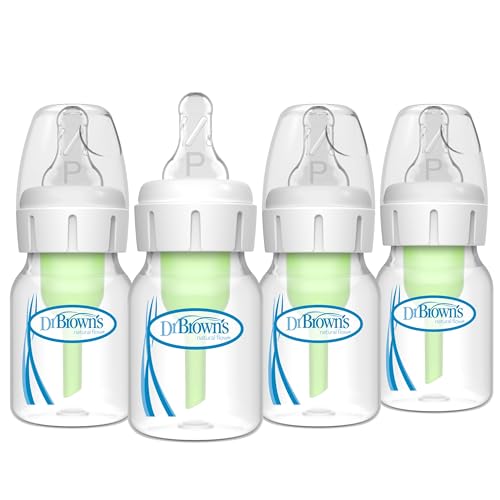
Best for babies needing a slow, steady pace with anti-colic support. This bottle uses a Preemie Flow Nipple for a slow flow combined with an anti-colic internal vent system to reduce gas and spit-up, while maintaining a consistent rate closest to breastfeeding. Ideal for premature babies or those with feeding challenges who benefit from a controlled flow
- Slowest-flow nipple designed for preemies or sensitive feeders.
- Anti-Colic vent system to reduce spit-up and discomfort.
- Vacuum-free feeding promotes a natural feeding rhythm.
Best for: Families needing reliable, slow pacing with anti-colic benefits. Caution: More parts mean more parts to clean; ensure thorough sanitation after use.
Lansinoh Anti-Colic Slow Flow Bottle (4oz) 3 Count

Best for newborns needing gentle pacing and reduced air intake. The bottle uses an air ventilation system to limit air during feeding, paired with a soft silicone nipple that molds to the baby’s mouth for a secure latch. This helps minimize gas and fussiness, supporting smoother feeds as baby grows at their own pace.
- Air vent system designed to limit air intake.
- Soft, wide-mouth nipple that favors comfortable latch.
- Delivers milk at a comfortable pace, compatible with slow flow needs.
Best for: Parents seeking a reliable, anti-colic option with a gentle pace. Caution: Some babies may require a larger volume transition as feeding needs change.
Philips Avent Natural Slow Flow (Flow 2)

Best for parents balancing breastfeeding and bottle feeding. The unique design releases milk only when the baby drinks, matching their drinking rhythm and pause pattern. It features a soft, wide, breast-shaped nipple to mimic natural feeding, helping babies regulate flow naturally and maintain a comfortable pace.
- Slow-flow option with a flow that responds to baby drinking action.
- Breast-shaped nipple to encourage natural latch and feeding rhythm.
- Designed for easy combination feeding with minimal flow interruption.
Best for: Families transitioning between breast and bottle feeding while preserving a natural flow. Caution: Some babies may take time to adapt to the Flow 2 nipple’s pace.
MAM Easy Start Anti-Colic Slow Flow Bottle
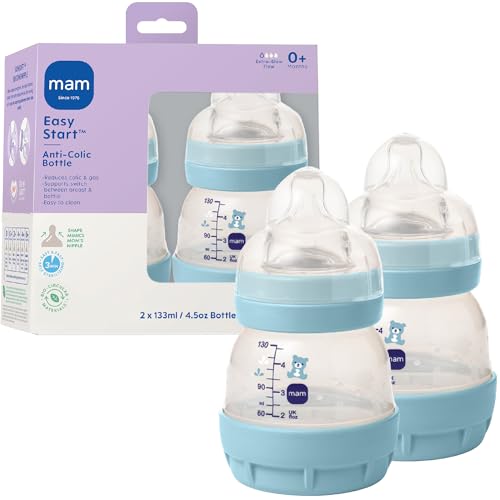
Best for preemies or newborns needing extra slow flow with anti-colic benefits. The SkinSoft nipple mimics mom’s nipple feel and shape, promoting a natural latch, while the vented base reduces air intake to minimize gas. The combined effect is a gentle feeding pace with reduced colic symptoms for many babies.
- Extra slow nipple paired with a vented base to minimize air intake.
- SkinSoft nipple for a comfortable latch and natural feel.
- Designed for preemies, newborns, and mixed feeding routines seeking gentle flow.
Best for: Parents who want a natural-feeling nipple with strong anti-colic support. Caution: Replacement nipples may be needed as babies grow and their flow needs change.
Buying Guide: Slow-Flow Bottle Essentials
- Flow control: Look for nipples explicitly labeled as slow or preemie flow to ensure the pace matches baby needs.
- Ventilation: Anti-colic vents or air-control systems help reduce gas, spit-up, and fussiness by limiting air intake.
- Nipple design: Breast-shaped or SkinSoft options can promote natural latch and feeding rhythm.
- Material and cleaning: Consider BPA-free plastics or silicone; check whether parts are easy to clean and assemble.
- Transition strategy: If moving from slower to regular flow, plan for gradual nipple changes to avoid feeding disruption.
- Compatibility: Match bottle size to feeding volume, especially for preemies or small-tomid feeders who need frequent, small feeds.
FAQ: Slow Flow Bottle Questions
- Why choose a slow-flow bottle for a premature baby?
– Slow flow helps babies eat at a manageable pace, reducing the risk of choking, spit-up, and gas, and it supports a feeding rhythm closer to breastfeeding. - What is anti-colic venting and why is it important?
– Anti-colic vents minimize the amount of air ingested during feeding, which can lower discomfort and fussiness caused by gas. - Can I use slow-flow nipples for older babies?
– Some older babies still benefit from slow-flow options during growth spurts or when experiencing feedings that require a gentler pace. - How do I switch from slow-flow to a regular flow bottle?
– Gradually introduce a slightly faster-flow nipple while monitoring baby cues, ensuring feeds remain calm and uneventful. - Are slow-flow bottles compatible with breast milk?
– Yes, slow-flow bottles are commonly used for expressed breast milk to help replicate breastfeeding pacing.