If you need a sealant that safely touches food contact surfaces or resists outdoor weather, these options are designed for metal substrates and food-safe environments. This guide highlights five reliable sealants, who they’re best for, and practical considerations to help you choose.
Buyer quick table (summary)
| Product | Brand | Best For | Notes |
|---|---|---|---|
| Silicone RTV 4500 Clear 2.8 oz | Silco Incorporated | Small repairs, food contact surfaces | High temp 350F, weatherproof |
| Food Grade NSF RTV Clear 10.3 oz | Sil-Bond | General food-contact sealing | Large tube, NSF listed |
| Food Grade NSF RTV White 2.8 oz | Sil-Bond | White finishes, food-grade use | White color, 350F |
| Silicone RTV 4500 2-Pack Clear | Sil-Bond | Multiple small jobs | Two-pack, weatherable |
| Titebond WeatherMaster Metal Roof Sealant Silver 9.5 oz | Titebond | Metal roof seams and exterior | Elastomeric, UV resistant |
Silicone RTV 4500 Food Contact Safe Clear 2.8 oz
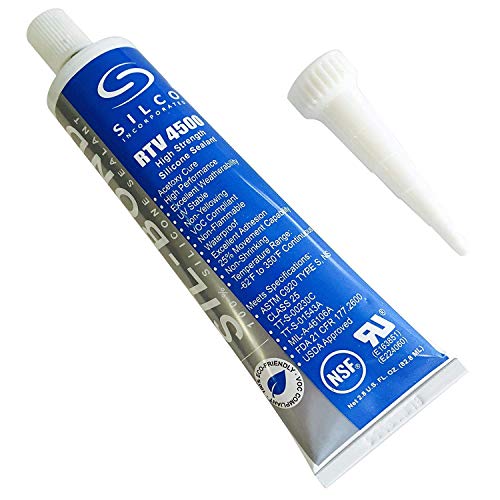
Product overview: This silicone sealant is designed for food contact safety with a high-temperature rating of 350°F. It bonds to most surfaces and remains impervious to weather conditions, making it suitable for kitchen pans, metal shelving, and outdoor metal fixtures that may contact food or require a durable sealant.
Best for: small to medium metal repairs and seal jobs in kitchens or pet feeders where a clear, non-yellowing sealant is desired and food contact safety is a priority. Choose this if you want a compact tube for detailed work and a reputable food-safe profile.
Caution: As with any sealant, ensure surfaces are clean, dry, and free of grease before application. Curing times can vary with humidity and temperature.
Food Grade NSF RTV Silicone Sealant Clear 10.3 oz
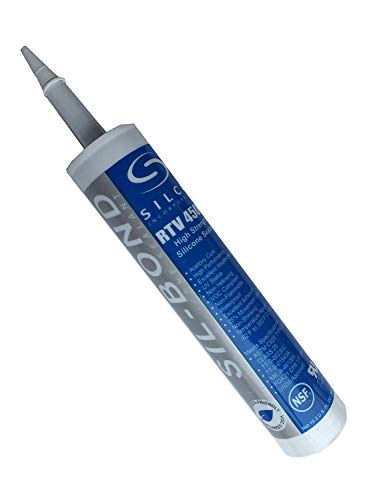
Product overview: This large, clear silicone sealant meets food-grade standards and NSF compliance, offering robust performance for food-preparation surfaces and containers that require reliable seals without discoloration.
Best for: projects needing a larger tube size and a clear finish that remains invisible on metal surfaces while providing food-safe sealing capabilities. Better for longer-term installations where more material is needed.
Limitation: As with all silicone sealants, avoid contact with certain plastics or coatings that may interact with curing chemistry; follow manufacturer guidance for substrate compatibility.
Food Grade NSF RTV Silicone Sealant White 2.8 oz
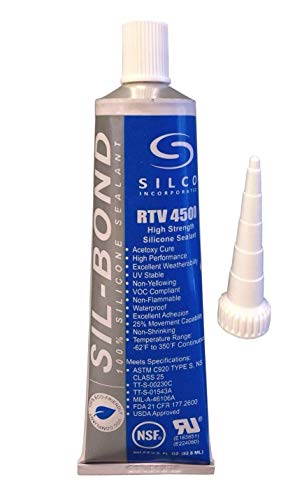
Product overview: A white-colored silicone sealant that meets NSF standards for food service applications. It provides reliable sealing with a 350°F maximum temperature rating and strong weather resistance.
Best for: projects requiring a white seal that blends with metal surfaces or white appliances, while ensuring food contact safety. Choose this if finish color matters and you need NSF-listed assurance.
Limitation: White silicone can show staining on certain metals or finishes over time; ensure compatible substrates and proper curing conditions to minimize discoloration risk.
Silicone RTV 4500 Clear 2-Pack Food Safe Sealant

Product overview: This two-pack offers the same high-strength, food-contact-safe silicone with excellent weatherability. It is a solid option for multiple projects or ongoing maintenance.
Best for: households or facilities performing several metal-seal tasks over time, where stocking a spare tube is advantageous. It’s better for recurring installations and non-yellowing performance.
Caution: Ensure proper ventilation during application and curing, especially in enclosed spaces. Check surface compatibility prior to use.
Titebond WeatherMaster Metal Roof Sealant Silver

Product overview: A premium polymer sealant designed for metal roofs and coated metals. It offers elastomeric flexibility, strong adhesion to various metals, and resistance to dust, dirt, water, and wind.
Best for: exterior metal joints on roofs, gutters, and other outdoor metal installations where long-term weather resistance matters. Choose this if you expect joint movement and need durable, flexible sealing.
Limitation: Though strong outdoors, this product is not a dedicated food-contact sealant; use in areas that won’t contact food surfaces if strict food safety is a requirement.
Buying Guide: How to Choose the Right Food-Safe Metal Sealant
What is your primary use?
For small repairs or sealants near food-contact surfaces, prioritize products explicitly labeled food-safe or NSF/FDA compliant. For outdoor metal structures, select sealants with weather resistance and UV stability.
What surfaces are you sealing?
Metal substrates like aluminum, stainless steel, copper, or galvanized steel typically bond well with silicone-based sealants. Confirm substrate compatibility on the product page or technical datasheet.
Finish and color matters?
Clear sealants are ideal when you want a discreet seal on metal. White sealants are useful where a visible, clean finish is desired. Match the color to the surrounding material for best aesthetics.
Temperature and curing considerations?
Most food-grade silicone cures well at room temperature but verify the temperature rating (often around 350°F) to ensure the sealant remains stable in heat exposure. Weatherproofing is a major benefit for outdoor use.
Storage and packaging advantages
Single tubes are convenient for small projects; multi-packs or larger tubes suit ongoing seasonal maintenance. Consider storage space and expected project load when choosing packaging.
Regulatory and safety notes
Look for NSF/FDA approval or explicit food-contact labeling to ensure suitability for areas that may contact consumables. Always follow manufacturers’ preparation and curing instructions for safety and performance.
Frequently Asked Questions
-
What makes a sealant “food contact safe”?
Sealants labeled food contact safe have certifications or statements indicating they meet food safety standards, reducing the risk of leaching harmful substances into food-contact surfaces.
-
Are silicone sealants better than acrylic for metal?
Silicone sealants generally offer superior temperature resistance, flexibility, and weatherproofing on metal, while acrylics can be easier to apply but may not handle high temperatures as well.
-
Can these sealants be used on all metals?
Most are compatible with common metals like aluminum, copper, and steel, but always verify substrate compatibility for your specific metal and coating.
-
Do these products cure underwater or in damp conditions?
Many silicone sealants cure in the presence of humidity, but curing conditions vary. Check the product data for exact humidity and temperature requirements.