Yes, you can bake wholesome, delicious bread at home with simple, ready-to-use mixes. This guide highlights five organic or clean-label bread machine mixes that appeal to different diets and baking goals. Each option is best for specific buyers—from traditional white bread enthusiasts to grain-loving bakers and grain-free specialty dieters. Use the quick comparison table to spot the best fit, then read the detailed sections for compatibility and practical tips.
Quick comparison table
| Product | Best For | Notes |
|---|---|---|
| Country White Bread Mix by New Hope Mills | Traditional white sandwich bread lovers | Non-GMO, classic flavor |
| Bob’s Red Mill Bread Mix, 10 Grain With Yeast Packet | Multigrain fans seeking hearty texture | Two-pack option |
| Molibake 8 Grain Bread Mix | Healthy multigrain loaves | Includes flax, millet, rye, barley |
| eat G.A.N.G.S.T.E.R. Pumpkin Bread Mix | Grain-free and Paleo/AIP friendly | Gluten-free, dairy-free, no nuts |
| Milly’s Sourdough Bread Mix | Sourdough without a starter | Water-only prep, flexible fermentation |
Country White Bread Mix by New Hope Mills

Best for: Home bakers seeking a classic, wholesome white loaf. This mix emphasizes traditional flavor with non-GMO ingredients, ideal for sandwiches and toast. It pairs well with simple toppings like butter or jam, and adapts to various add-ins such as herbs or cheese for savory opportunities.
Why selected: The mix delivers a familiar crust and crumb with clean ingredients. Non-GMO status supports buyers prioritizing simpler, transparent ingredients.
Caution: May require standard bread machine settings; check your machine’s instruction manual for white loaf programs to avoid over- or under-baking.
Bob’s Red Mill Bread Mix, 10 Grain With Yeast Packet
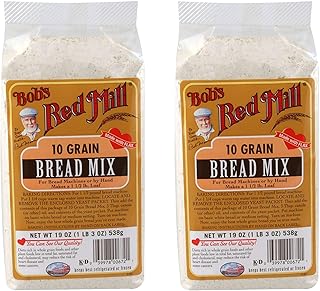
Best for: Bread lovers who want a hearty multigrain loaf with texture and nutrition. The mix combines diverse grains to yield a complex crumb suitable for hearty sandwiches and rustic loaves.
Why selected: Multigrain blends typically offer more fiber and flavor depth, making them a versatile option for everyday bread. The included yeast packet simplifies preparation.
Caution: Multigrain loaves can be denser; consider slightly longer rise or a touch of sweetener if your taste leans toward lighter bread.
Molibake 8 Grain Bread Mix

Best for: Health-conscious bakers who want a nutrient-rich loaf with natural grains. This blend includes flax seeds, millet, rye, and barley malt for flavor and texture without artificial additives.
Why selected: The 8-grain mix emphasizes natural ingredients and versatility for bread machines or traditional ovens, making it suitable for mindful, homemade bread traditions.
Caution: As a multigrain option, it may require adjustments to water or yeast amounts; follow package directions carefully for optimal rise and crumb.
eat G.A.N.G.S.T.E.R. Pumpkin Bread Mix

Best for: Grain-free and sensitive-diet bakers who need dairy-free, gluten-free options that still deliver a comforting pumpkin treat. Suitable for quick breakfasts or desserts during fall and beyond.
Why selected: The mix aligns with paleo and AIP diets, offering a grain-free option without dairy or nuts, enabling flavor-forward baking without common allergens.
Caution: Texture and rise can vary with paleo-friendly mixes; expect a slightly different crumb than standard wheat-based breads.
Milly’s Sourdough Bread Mix

Best for: Home bakers who want authentic sourdough flavor without maintaining a starter. This mix simplifies the process while delivering a tangy, crusty loaf with a softer interior.
Why selected: It includes a ready-to-activate sourdough starter inside the mix, reducing prep time and complexity for beginners and busy bakers alike.
Caution: Fermentation timing can be flexible; longer rests can enhance flavor but may require careful planning around meal times.
Buying Guide: Key Purchase Considerations
- Diet compatibility: If you follow gluten-free, grain-free, paleo, or dairy-free diets, prioritize blends designed for those needs (for example, grain-free pumpkin mix or dairy-free options).
- Ingredient quality: Look for non-GMO labeling and minimal artificial ingredients. Clean-label ingredients often indicate fewer processing additives.
- Baking versatility: Some mixes work well in both bread machines and standard ovens. Consider whether you want one option for multiple appliances.
- Texture and flavor goals: Multigrain blends provide heartier texture and nuttier flavor, while traditional white mixes yield lighter, softer crumb. Decide based on your sandwich or toast preferences.
- Rise and fermentation: Sourdough-style mixes may require longer resting times or different handling. If time is limited, choose faster options like prepared white or pumpkin mixes.
- Packaging and yield: Pack sizes vary. If you bake frequently, a multi-pack or larger pouch could reduce trips to the store.
Frequently Asked Questions
- Can I bake bread machine mixes without a bread machine?
- Are organic bread mixes healthier than regular mixes?
- Do these mixes require special equipment?
- What is the best mix for beginners?
- How should I store bread mixes?
- Do any of these contain common allergens?
Yes. Most mixes work in conventional ovens. Follow package directions for water and temperature adjustments when baking in a standard oven.
Many organic or non-GMO mixes emphasize minimal synthetic additives. However, health impact depends on overall ingredients, not labels alone.
Most use standard bread machines with typical loaf programs. Some may offer oven-baking instructions for flexibility.
Traditional white or sourdough starter-included mixes are usually easiest for beginners due to straightforward rising and baking steps.
Keep in a cool, dry place in their original packaging or sealed containers to extend shelf life and prevent moisture exposure.
Some options are dairy-free or gluten-free. Always check the listed ingredients if you have specific allergies or sensitivities.